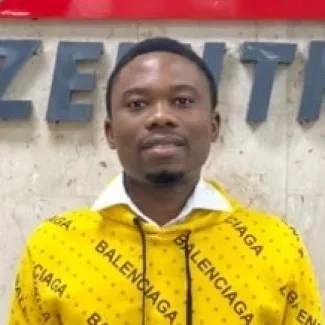
Beyond the Stage: Peter Okoye’s Candid Reflection on Mortality and Financial Legacy
In a recent, revealing interview, Peter Okoye, one-half of the legendary Nigerian music duo P-Square, shared a sentiment that resonates deeply in today’s socio-economic climate. The global superstar stated, “I’m not afraid of death, only poverty.” This stark admission moves beyond typical celebrity discourse, offering a raw glimpse into the mindset of an artist who has navigated the pinnacle of fame and the pressures of sustaining generational wealth.
Okoye’s perspective underscores a fundamental human concern: the desire for security and legacy over the inevitable passage of time. His comments arrive amidst broader conversations about financial stability in the entertainment industry, a topic that has seen increased scrutiny with developments like the recent actions by the EFCC declares against alleged financial misconduct by other public figures. This contrast highlights the importance of prudent financial management for artists whose careers, though luminous, can have unpredictable lifespans.
For an artist of Okoye’s caliber, whose work has soundtracked a continent, this fear of poverty is less about personal destitution and more about the responsibility of stewardship. It touches on providing unwavering security for his family, supporting the vast network that depends on his enterprise, and cementing a legacy that outlives his chart-topping hits. This philosophy mirrors the aspirations of many seeking a stable future, sometimes looking toward the 10 safest countries as benchmarks for security and prosperity, not just in wealth, but in overall quality of life and opportunity for the next generation.
Navigating Fame and Finance in a Digital Era
The landscape of African entertainment has transformed dramatically since P-Square’s ascent. Okoye now operates in an era defined by digital streams, brand endorsements, and strategic investments. Understanding this shift is crucial, much like observing how Gov Idris has managed to leverage digital tools for community engagement and administrative efficiency in his domain. For modern artists, financial acumen is as critical as artistic talent, requiring a moonshot 2025: ‘AI and blockchain could revolutionize royalty distribution and intellectual property management, offering artists unprecedented control and transparency over their earnings.
This forward-thinking approach is essential in an industry where platforms evolve rapidly. Consider the cultural phenomenon of shows like BBNaija Season 10, which demonstrate the massive economic potential of structured entertainment. Participants and producers alike must now think like entrepreneurs, converting fleeting fame into lasting financial portfolios. Okoye’s own journey from musical talent to business mogul provides a blueprint for this transition, emphasizing that the true endgame is sustainable empowerment, not just celebrity.
A Legacy Built on More Than Music
Ultimately, Peter Okoye’s candid statement is a powerful reminder of the realities behind the glamour. It sparks a necessary dialogue about the psychological burden on success stories and the relentless pursuit of security in a volatile world. His outlook encourages a broader discussion on financial literacy among creatives and the systems needed to support them. As Africa’s creative industries continue to boom, paralleling technological leaps like the moonshot 2025: ‘AI integration, the fusion of art, savvy business, and long-term planning will define which legacies endure.
In echoing the sentiments of many who have risen from humble beginnings, Okoye keeps the focus on what matters most. While the specter of poverty can be a powerful motivator, his life’s work shows it can be channeled into building empires, nurturing talent, and inspiring a continent to dream—and plan—with both ambition and caution.