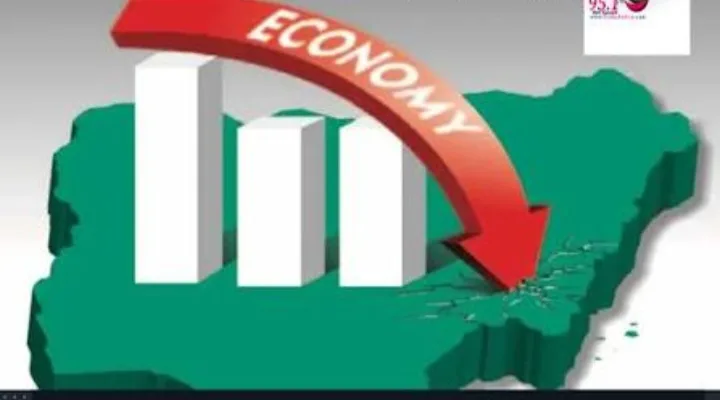
Nigeria’s economy, despite its abundance of natural and human resources, continues to grapple with multiple structural challenges. These problems weaken growth, discourage investment, and affect the quality of life for millions of citizens. Below are the major issues affecting the Nigerian economy:
1. Overdependence on Oil
Nigeria relies heavily on crude oil for government revenue and foreign exchange. This overdependence creates serious problems. Any drop in global oil prices destabilizes the economy.
Non-oil sectors like agriculture, manufacturing, and technology remain underdeveloped.
It limits job creation and makes the country vulnerable to external shocks.
2. High Unemployment and Underemployment
The unemployment rate remains high, especially among youth.
Issues include: Mismatch between education and labour market needs. Weak industrial growth means fewer jobs.
Underemployment leads to low productivity and poverty.
3. Inflation and Rising Cost of Living
Persistent inflation — especially food inflation — reduces purchasing power.
Causes include:
Currency devaluation. High fuel/transport costs.Insecurity affecting farming and food supply.
Import dependence for essential goods.
4. Insecurity and Instability
Insecurity directly affects economic performance.
It causes:
Disruption of farming communities.
Destruction of infrastructure. Loss of investor confidence. Higher government spending on defense instead of development.
5. Poor Power Supply
Nigeria’s power sector is unreliable and underperforming.
Effects: Businesses spend heavily on generators and fuel. Manufacturing costs are high. Foreign companies avoid investing. Smaller businesses struggle to survive.
Disclaimer:
Every member is solely responsible for the content they publish on Nigerpress. Opinions, information, and statements expressed are not endorsed by Nigerpress.